


Chancellor’s Autumn Statement is a double-edged sword for SMEs, says Clemence Hoar Cummings

Chancellor’s Autumn Statement is a double-edged sword for SMEs, says Clemence Hoar Cummings

The Romford-based accountancy firm Clemence Hoar Cummings warns that measures announced by Chancellor Jeremy Hunt in the Autumn Statement could hit small business cash flows before they feel the benefit of new measures.

In the wake of falling inflation – reaching 4.6 per cent in November 2023 from 10.1 per cent in January – and anxiety around high interest rates, the Chancellor outlined his “Autumn Statement for growth”.

Reviewing the Government’s new fiscal policies, Clemence Hoar Cummings says that, while businesses will benefit in the long term, it may cost some significantly.

The rise in the National Living Wage (NLW) will bring increasing labour costs for businesses, with a 9.8 per cent rise, to £11.44 per hour. This has been compounded by the extension of the NLW to 21 and 22-year-olds for the first time.

Rising wages will also carry a higher Employer National Insurance liability, despite a reduction of Employee National Insurance to 10 per cent to the benefit of workers.

Small and medium-sized enterprises (SMEs) are likely to be hit hardest as they often lack the profit margins and financial buffers of larger firms.

David Bransbury, Director at Clemence Hoar Cummings, said: “Despite a major emphasis on leveraging the current economic climate and creating opportunities for small businesses, policies within the Autumn Statement will place a heavy burden on SMEs in the coming months.

“Working people will be rightly supported through higher costs of living with rising wages and reduced NI contributions, but businesses seem poised to pay the price, particularly with no NI reductions to employer contributions.

“This is particularly true for sectors that rely heavily on labour or those that already operate with low profit margins.”

However, despite a bleak short-term outlook for SMEs, the Chancellor’s 110 measures for the coming year may yet bolster surviving small businesses through a long-term commitment to growth, says Clemence Hoar Cummings.

In an unexpected development, the Chancellor announced an indefinite extension of ‘Full Expensing’ allowing capital-reliant businesses to claim a deduction from taxable profits of up to 100 per cent of their expenditure on qualifying plant and machinery capital.

“This extension will be hugely beneficial to manufacturing and related sectors, as SMEs that rely on investment in capital can suffer cash flow problems,” said David.

In addition to support for internal investment, high-growth sectors including technology, sustainable energy and manufacturing, will benefit from significant investment from the Treasury, with £975 million being made available for the automotive sector, £520 million for life sciences and £960 million for clean energy manufacturing.

The UK’s smallest self-employed businesses are also benefitting from the Chancellor’s announcements, with the unexpected abolition of Class Two National Insurance – and a slashed rate of Class Four NI contributions at eight per cent.

David concluded: “Many business owners will have mixed feelings after the Autumn Statement. While the Chancellor placed heavy emphasis on securing investment and growth, SMEs may not feel the benefit for a while yet.

“Employers will need to consider their cash flow carefully to avoid being hit by rising wages and NI contributions in order to reap future benefits of targeted support for key sectors.

“Furthermore, some sectors – such as professional services – will not benefit as significantly from upcoming investment projects or full expensing, so they will have to think carefully about optimising future financial plans.

“Changes within the Autumn Statement will have potentially massive impacts on SMEs and business owners. Professional advice is key to weathering the upcoming squeeze and maximising the benefits of new measures.”

To find out more about Clemence Hoar Cummings’s full range of accounting, tax and business advisory services, please visit www.chc.uk.com.

Spring Budget boost prompts tax planning rethink ahead of new tax year, says Clemence Hoar Cummings

Spring Budget boost prompts tax planning rethink ahead of new tax year, says Clemence Hoar Cummings

Romford-based accountants Clemence Hoar Cummings says the Chancellor’s drive for growth in the Spring Budget has created interesting tax planning opportunities for businesses and their owners.

Jeremy Hunt stepped up to the Despatch Box to provide measures that he said would deliver growth to the UK through targeted investment and support for businesses and their workers.

Prior to his announcement, many businesses were concerned about the upcoming increase to Corporation Tax in April, which will see the rate of tax rise from 19 per cent to 25 per cent for businesses with profits of £250,000 or more.

Only those with profits of £50,000 or less would continue to pay this tax at 19 per cent, with those between these two thresholds paying tax at a tapered rate.

Clemence Hoar Cummings said that the Chancellor’s introduction of ‘full expensing’ would help many companies grappling with this tax increase.

David Bransbury, Director at Clemence Hoar Cummings, said: “For the next three years businesses will be able to write off the full cost of qualifying plant and machinery expenditure in the same year they make the investment.

“This new relief sits alongside a number of existing Capital Allowances to help firms better manage their annual tax bill through investment. This new measure goes some way to replacing the lost relief available from the Super Deduction, which ends on 31 March.”

R&D tax credits also provide an important Corporation Tax relief to many SMEs. In the Autumn Statement, Jeremy Hunt announced changes that would restrict the rate of tax relief and credits for some small and medium-sized enterprises (SMEs).

However, to support “British Ingenuity”, the Government has decided to introduce a new enhanced tax relief for loss-making R&D-intensive SMEs.

Eligible companies will be able to receive a tax credit worth £27 from HM Revenue & Customs (HMRC) for every £100 of R&D investment they make.

“This additional relief will be somewhat limited, but it will play a role in driving growth among the most pioneering businesses,” added David.

To help people save for the future, the Chancellor also announced that from April 2023 the Annual Pension Allowance would increase from £40,000 to £60,000, allowing people to make more tax-free contributions to their pension savings.

Alongside this, the charge on the Pension Lifetime Allowance will be removed this year, before the allowance itself is abolished entirely from April 2024.

David said: “Allowing people to save more into their pensions tax-free will help many business owners and workers reduce the overall amount of tax that they pay, potentially allowing them to keep more of their income outside of higher tax bands, while also helping them to be better prepared for retirement.

“The measures in the Spring Budget should really act as a prompt for businesses and individuals to reassess their current investment plans, business strategies and tax affairs as we prepare to enter a new financial year.”

Starting in April 2024, the Government will gradually implement a program aimed at boosting economic activity and household earnings by offering eligible working parents 30 hours of free childcare per week for children aged nine months until school age.

“A common obstacle to growth for many businesses is the recruitment and retention of workers with the right skills,” said David. “This measure, along with the introduction of ‘returnerships’ to help older people back into work, will play an important role in ensuring employers have the talent they need to be successful.”

To find out more about Clemence Hoar Cummings’s tax, accounting and business advisory services, please visit www.chc.uk.com

Chancellor downplays tax rises in Autumn Statement, but freezes on allowances will hit taxpayers, says Clemence Hoar Cummings

Chancellor downplays tax rises in Autumn Statement, but freezes on allowances will hit taxpayers, says Clemence Hoar Cummings

Romford-based accountancy firm Clemence Hoar Cummings says the decision to freeze and reduce personal tax reliefs, thresholds and allowances in the Autumn Statement will have a significant impact on many taxpayers.

Faced with the challenge of inflation, rising energy costs and higher interest rates, as well as an economy weakened in recent months by world events and the actions of his predecessor, the Chancellor outlined his “plan for stability”.

Having reviewed the Government’s new fiscal policies, Clemence Hoar Cummings says that while it has the potential to steady national finances, it will come at a cost.

The Chancellor was keen to point out that his latest measures avoided increases to tax rates, but the reality of his speech means that tax bills for many business owners and workers will increase over the next few years.

A big element of this increase was his decision to extend the freeze on personal allowances, such as the Nil-Rate Band for Inheritance Tax and the Personal Allowance for Income Tax, until 2028.

David Bransbury, Director at Clemence Hoar Cummings, said: “These allowances were already frozen until 2026, but the decision to further delay increases means that inflation is likely to drag more taxpayers into higher tax bands as their wages rise.

“To many observers, the Autumn Statement may have seemed quite fair and balanced, but there are certain groups – particularly high earners – who will need to think carefully about how these measures affect them.”

Alongside the freeze to allowances, the Chancellor also announced reductions to thresholds and exemptions for Dividend Tax and Capital Gains Tax in the next two tax years, and a cut to the Additional Rate Income Tax threshold from £150,000 to £125,140 in April 2023.

“The impact of these changes and the inflationary pressure on wages means that while the rate at which most taxes are paid hasn’t gone up, many more people will still be paying more tax,” added David.

When it came to the finances of businesses, Clemence Hoar Cummings said that the £13.6 billion of support to help with the transition to a new business rates system over the next five years was welcomed and would help those hit hardest in recent years, including bars, restaurants and retailers on the High Street.

However, further changes to the SME R&D tax system would be less welcome, especially the reduction to the SME scheme additional tax deduction, which will fall from 130% to 86% for expenditure on or after 1 April 2023.

“The Government has been concerned about abuse in this tax system for some time, but it seems somewhat unfair to penalise those who have acted within the existing rules,” said David.

“However, the real impact of this change may not be as great as feared due to the rise in Corporation Tax from April, which may mean that the amount of relief businesses receive won’t change significantly – especially for those paying the top 25 per cent rate of tax.”

Clemence Hoar Cummings said that subtle but important changes in the Autumn Statement required careful consideration and professional advice.

To find out more about Clemence Hoar Cummings’s wide range of accounting, tax and business advisory services, please contact us.

Government’s mini-Budget giveaway to businesses may take a gamble on inflation, says Clemence Hoar Cummings

Government’s mini-Budget giveaway to businesses may take a gamble on inflation, says Clemence Hoar Cummings

Romford-based accountancy firm Clemence Hoar Cummings has said many businesses will be pleased with the Chancellor’s support during the cost-of-living crisis.

However, wider concerns persist about the potential for rocketing inflation, which could harm economic growth and heavily indebted businesses.

Standing to address Parliament, Kwasi Kwarteng said the measures in his fiscal statement were “a new approach for a new era focused on growth”.

What followed was one of the most significant fiscal events in recent years, as the Government announced measures to support individual taxpayers, high-earning business owners and the companies that they run.

The Chancellor confirmed that the Corporation Tax rise planned for April 2023 would be scrapped and that this rate of tax would remain at 19 per cent.

He also announced that the previous 1.25 percentage point increase to National Insurance introduced earlier this year would be reversed and the planned Health and Social Care levy abolished – freeing up cash for many businesses.

The existing £1 million Annual Investment Allowance will also be retained permanently, instead of falling to £200,000 from March 2023 to support additional investment in plant and machinery.

To further support investment the Government announced the creation of up to 40 tax-free investment zones, which will come with a wide range of benefits for those based within them.

David Bransbury, Director at Clemence Hoar Cummings, said: “The measures announced by the Chancellor represent one of the biggest tax cuts in 50 years, with estimates suggesting that £45 billion worth of tax reductions will be on offer to SMEs and their owners, as well as many other taxpayers.

“The scrapping of the Corporation Tax increase, a permanent boost to the Annual Investment Allowance and support with rising costs through a reverse to the National Insurance rise will, the Chancellor hopes, boost the UK’s economic growth rate by 2.5 per cent and increase spending and tax receipts.”

Many individual taxpayers will also benefit from the Chancellor’s announcement through cuts to Income Tax, Stamp Duty Land Tax (SDLT) and for contractors, a repeal of the IR35 rules.

Under a landmark change to Income Tax, the additional rate of tax, paid at 45 per cent on earnings over £150,000 will be removed and a 1p cut to the basic rate of tax on earnings between £12,571 to £50,270 will come into force from April next year.

Many business owners on higher incomes will welcome this change, along with the scrapping of the 1.25 percentage point increase to the Dividend Tax rate.

Meanwhile, those looking to purchase a new home will enjoy increased SDLT thresholds, which will rise from £125,000 to £250,000 on most property purchases, and from £300,000 to £425,000 for first-time buyers.

“Describing these measures as a ‘mini-Budget’ is somewhat misleading given the considerable tax cuts and support offered to taxpayers, SMEs and many larger businesses,” said David.

“This should help with the cost-of-living crisis and will hopefully encourage greater business investment in years to come.”

The Government promised that the Energy Bill Relief Scheme, announced days before, would help to lower inflation by as much as five percentage points in the mid-term by capping energy costs for businesses and individuals.

However, there are concerns among economists and the Bank of England that the tax cuts announced in the Chancellor’s speech will not only drive up national debt through borrowing but also encourage price increases in the wider economy further driving up inflation.

David added: “By choosing to go for growth, rather than maintain a policy of fiscal responsibility the Government is taking a real gamble.

“If interest rates continue to rise due to growing inflation, then the support outlined in the mini-Budget may not amount to as much as hoped.”

To find out more about Clemence Hoar Cummings’s wide range of accounting, tax and business advisory services, please contact us.

Going green could help businesses cut costs and taxes, says Clemence Hoar Cummings

Going green could help businesses cut costs and taxes, says Clemence Hoar Cummings

Romford-based accountancy firm, Clemence Hoar Cummings, is calling on businesses to explore the tax and financial benefits of investing in environmental technologies this year.

With much of the world focused on the climate crisis and levels of pollution in habitats and oceans across the globe, Clemence Hoar Cummings says that tax systems are changing to encourage businesses to behave responsibly.

As part of this, the Government offers a number of tax reliefs to assist firms to invest in energy-saving equipment and green technologies, including Capital Allowances.

David Bransbury, A Director at Clemence Hoar Cummings, said: “Capital Allowances are a great way of reducing the amount of Corporation Tax that a company pays, while also investing in new plant and machinery for your business.

“There are currently more schemes than ever before available to companies, with generous allowances that help businesses to offset their investments against their profits, to reduce their Corporation Tax bill.

“Unfortunately, this level of generosity ends in March next year when the current Super-Deduction scheme closes, and the Annual Investment Allowances falls from £1 million per annum to just £200,000.”

David added that electric company cars were also growing in popularity and were one of the more common enquiries the firm had received in recent years.

“There are a number of financial incentives linked to electric cars from a lower company car tax rate to grants to support the costs of purchase and tax allowances to help cover the cost of charging point installations in workplaces,” said David.

“If you haven’t considered buying or leasing an electric company car before it is definitely worth considering now – not only to reduce your costs but also to demonstrate you are an environmentally responsible business.”

Earlier this year, the Government introduced a new Plastic Packaging Tax, which has seen a growing number of businesses face new charges for the plastic used to protect and transport goods, as well as importers who receive materials or products wrapped in plastic.

This is new measure is in addition to the Climate Change Levy and Emissions Trading Scheme that some businesses face, which effectively taxes businesses on the emissions they create.

David added: “These schemes particularly affect energy-intensive industries and those who pollute the most but looking further ahead it would not be surprising to see more taxes linked to the environmental credentials of businesses.

“That is why early investment in green technologies, using the existing reliefs and tax benefits that are currently offered makes sense.

“While businesses are facing a cost crisis at the moment, this may pale in comparison to the charges and price rises they may face in future if they don’t seek out efficiencies soon.”

To help businesses make sense of the current eco-tax measures and incentives, Clemence Hoar Cummings has produced a free guide that can be downloaded by clicking here.

Workers given helping hand in Spring Statement, but not enough for business, says Clemence Hoar Cummings

Workers given helping hand in Spring Statement, but not enough for business, says Clemence Hoar Cummings

With businesses across the UK facing spiking inflation, many hoped the Chancellor would deliver measures to reduce bills, but Romford-based accountancy firm Clemence Hoar Cummings say while individuals were given a helping hand, businesses received less support.
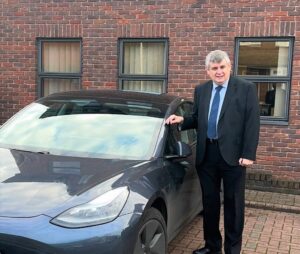
Against a backdrop of growing uncertainty, a spiralling cost-of-living crisis, weaker economic forecasts and rising inflation, Rishi Sunak faced a difficult task.

Having outlined a slowdown in growth following the OBR’s latest forecasts, many assumed that little could be done, but the Chancellor surprised Parliament by announcing a new tax plan.

Clemence Hoar Cummings said that his announcement of a 5p cut to fuel duty for one year and a £3,000 increase to the National Insurance Primary Threshold and Lower Profits Limit was aimed at keeping more money in the pockets of average workers.

David Bransbury, Director at Clemence Hoar Cummings, said: “The increase to the National Insurance threshold, which will be introduced in July, will bring the rate in line with Income Tax and should help to alleviate the pressures created the Health and Social Care Levy, which sees National Insurance Contributions (NICs) increase by 1.25 percentage points from April.

“Unfortunately for employers, this rise in the threshold won’t benefit them as it doesn’t apply to the secondary threshold by which employer’s NICs are set.

“However, the Chancellor did increase the Employment Allowance, which reduces eligible employers’ annual National Insurance liability, from £4,000 to £5,000.

“This is a small giveaway considering that employers already face a higher National Insurance bill from next month and increases in other employment costs, such as the National Minimum and Living Wage.”

Beyond the changes to National Insurance and the cut in fuel duty, individuals will also welcome proposals to cut the basic rate of income tax from 20 per cent to 19 per cent from April 2024.

“There was a lot of positives to come out of the speech for businesses,” added David. “The Chancellor intends to reform other tax reliefs in the Autumn Budget later this year with a focus on ‘people, capital and ideas’, importantly improving access and funding via the R&D tax credit scheme through further reforms that could offer a £5 billion boost by 2024.”

Clemence Hoar Cummings said that most workers and businesses would welcome the tax cuts, but difficult decisions still lay ahead given rising costs.

Clemence Hoar Cummings calls on businesses to look into the advantages of electric company vehicles

The number of electric vehicles on the road continues to grow at an ever-faster pace as businesses and individuals seek out environmentally friendly cars and vans.
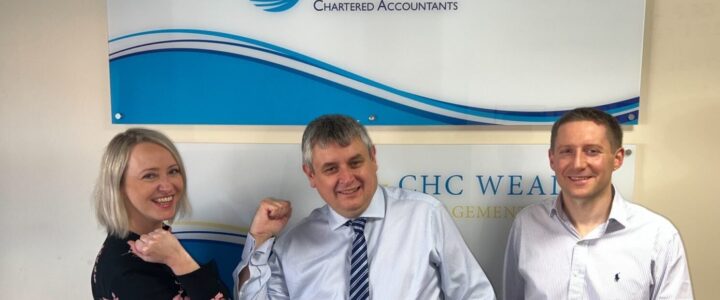
With the world’s attention focused on the future of the planet, as world leaders reach an agreement at COP26, Romford accountants Clemence Hoar Cummings say that more businesses need to look at the cost and tax benefits of going green for their employees.

Company car tax, which is charged via the Benefits in Kind system, is largely focused on the gases and particulates a vehicle emits – with the worst polluters facing much costlier rates.

New stricter rules on emissions have meant that most vehicles now face higher taxation than in previous years, whereas pure electric vehicles only face a one per cent rate currently – rising to two per cent from April 2022.

David Bransbury, Director at Clemence Hoar Cummings, said: “The electric vehicle revolution is well underway and it is no surprise given the incentives on offer to businesses and their employees.

“Not only is company car tax significantly less for pure electric vehicles, but owners pay no vehicle excise duty on cars costing less than £40,000. They generally have lower running and servicing costs as well and, perhaps most importantly, a reduced impact on the environment.

“The most recent climate talks have highlighted the need for the whole of humanity to act on rising temperatures and switching to an electric vehicle is certainly one way of reducing harmful emissions – especially as renewables take over a greater share of energy production.”

David added that businesses could also benefit from tax relief on the purchase of new electric vehicles through capital allowances, which offsets costs against profits to reduce the amount of Corporation Tax a business pays. In fact, expenditure on an electric vehicle bought after April 2021 is entitled to a 100 per cent First Year Allowance.

“Alongside the lower rates of tax and the reliefs that are available, businesses can also claim funding for the installation of charging points within their business,” added David.

Given that the sale of all new pure petrol and diesel engine cars will be banned by 2030 and the Government is introducing new laws to make it compulsory to add charge points to new homes and offices, David said that early adopters are likely to be the biggest winners from the current boom in funding and support. 

Clemence Hoar Cummings is ready to help businesses go electric and is offering advice to a wide range of sectors. You can find out more by contacting us.

Clemence Hoar Cummings promotes ‘homegrown’ accountant to Director

Clemence Hoar Cummings promotes ‘homegrown’ accountant to Director

Romford accountancy firm Clemence Hoar Cummings is promoting one of its top up-and-coming accountants as its latest Director. 


Tax and Accounting Support Manager Kinga McLaughlin will become the firm’s newest board member, having risen through the ranks within the firm. 


For the last 20 years, Kinga has supported a mixed portfolio of clients made up of local businesses and entrepreneurs. 


She trained with Clemence Hoar Cummings, becoming a prestigious Fellow of the Association of Chartered Certified Accountants (FCCA).


In recent years, Kinga’s enthusiasm towards computerising clients’ accounting systems means she has enhanced her cloud accounting knowledge and expertise.


She has played a valuable role in implementing the Xero accounts package and training within Clemence Hoar Cummings, assisting clients so that they can make the most of these exciting innovations. 


Kinga said: “We continue to explore new ways to grow our practice and support a wider range of businesses, so I am looking forward to supporting and collaborating with the rest of the board in the years to come.


“Having started with the firm all those years ago, it is great to be taking on this new role within the firm.”


This is the second time that an accountant trained by the firm has become a director. 


Lee Blunden was appointed to the board in 2019, after demonstrating a talent for helping clients and developing the practice. 


Lee and Kinga joined within months of one another and went through much of their training together. They have a close connection and similar vision for the future of this fast-growing practice. 


Speaking about Kinga’s appointment, Lee said: “It is wonderful to see Kinga joining our team of directors. Having come up through the firm together and worked alongside one another, I think she is the perfect fit for this role.


“Her promotion demonstrates our firm’s commitment to training and continued professional development and its drive to create talented professionals.”


David Belbin, the firm’s Managing Director, added: “I would like to congratulate Kinga on her promotion. It is great to see homegrown talent like Kinga and Lee come all the way through the practice to the very top. 


“I think it reflects just how much our team enjoy working at the firm and their passion for helping clients.”

Clemence Hoar Cummings says Autumn Budget offers a temporary business boost

The team at Romford-based accountancy firm, Clemence Hoar Cummings have welcomed the Chancellor’s latest Budget speech, saying it offers a boost to companies and communities in recovery.

After almost two years of economic difficulty, the latest estimates from the Office of Budget Responsibility (OBR) show that the UK economy is growing faster than expected.

Nevertheless, many businesses and households are facing a winter cost crisis and so Rishi Sunak set out his plan to assist them.

For many high street businesses, the announcement of significant reforms to business rates couldn’t come at a better time. This will include a new 50 per cent discount (worth up to a maximum of £110,000) for companies in the retail, hospitality, and leisure sectors, which will last for one year.

Businesses will also benefit from an extension to the £1 million Annual Investment Allowance until the end of March 2023, which will support further investment in plant and machinery through Corporation Tax relief.

David Bransbury, Director at Clemence Hoar Cummings, said: “Going into this Budget many businesses feared that they would experience further tax rises, but in the main, the measures outlined by Rishi Sunak will help some businesses.

“The autumn and winter are likely to prove difficult for businesses and households as they deal with rising costs and inflation. This Budget has provided some small giveaways that should cushion the blow.”

However, despite the many positive steps taken in the Budget, Clemence Hoar Cummings said that earlier announcements, such as an increase to Corporation Tax in 2023 and increases to National Insurance and dividend tax next year meant that businesses and their employees still face mounting costs.

The Budget also confirmed changes to R&D tax credits that will refocus support to innovations in the UK, restricting claims where R&D activities are performed overseas.

“Over the next few years, starting from April 2022, businesses will start to see their costs increase further due to the measures previously announced by the Government,” added David.

“Owners and shareholders will also see their ability to draw income from their business squeezed thanks to the increase in dividend tax rates. Whilst this Budget’s attempts to address this increase in everyday costs, many organisations could still experience a financial struggle.”

David added that many taxpayers would appreciate the fact that the Chancellor had avoided making headline changes to personal tax, with both Capital Gains Tax and Inheritance Tax largely left alone.

“Speculation had been growing that the Chancellor might come after wealthier taxpayers, but in this Budget, he has left personal taxation largely untouched, which should help people plan for the future,” added David.

However, looking further ahead, Clemence Hoar Cummings said that businesses and individuals should remain cautious, as future Budgets could contain surprises that mean a larger tax bill.

“A big part of the Chancellor’s speech was re-affirming the Government’s commitment to fiscal responsibility. We cannot overlook that he said that ‘everyday spending must be paid through taxation’,” added David.

Do you want to know how the measures announced in the Autumn Budget affect you? Find out how we can help by contacting us.